Buying a Lake Home in Soddy-Daisy? The Dock Permit Doesn't Come With the Deed
August 13, 2026
August 13, 2026
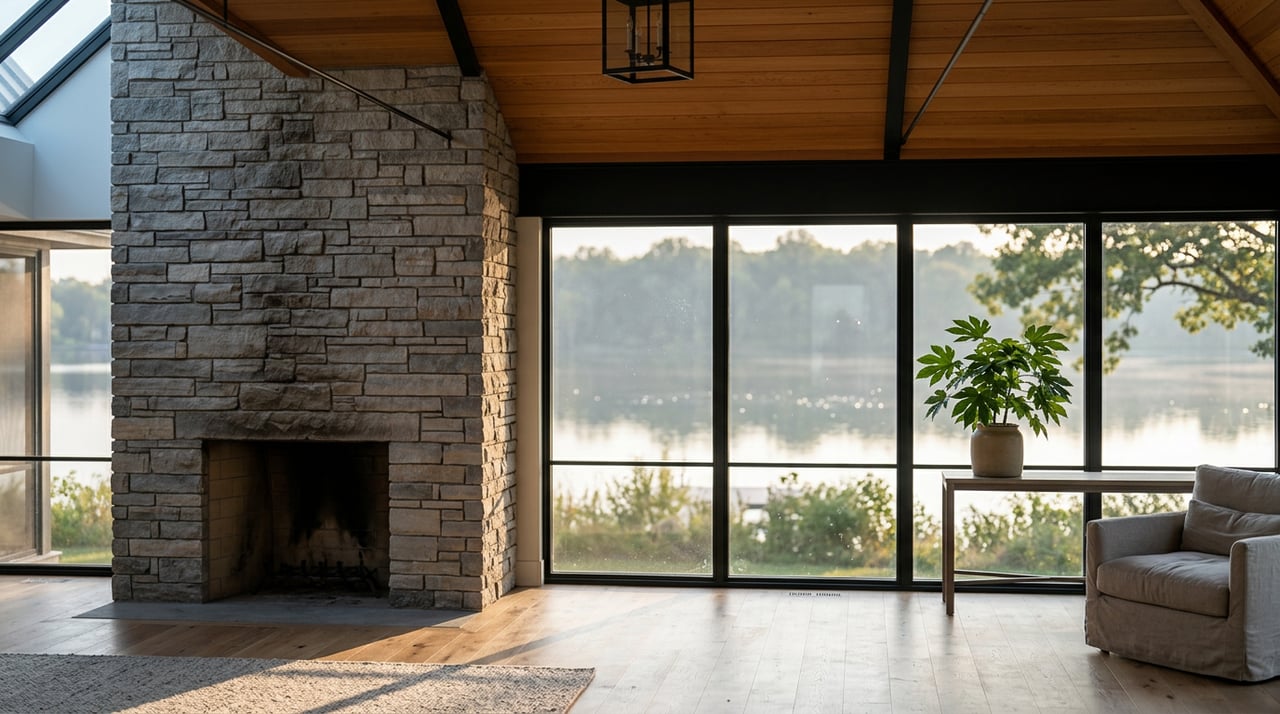
Every waterfront listing on Soddy Lake and the main channel of Chickamauga shows the same photograph: a private dock, morning light on the water, maybe a boat tied off at the end. Buyers read that photo the way they read a roof or a fence. It's part of the house. It transfers when the deed transfers.
It doesn't.
A dock on Chickamauga Lake exists because the Tennessee Valley Authority issued a permit to a specific person under Section 26a of the TVA Act, the federal statute that requires TVA approval before anyone builds, operates, or maintains a structure that affects navigation, flood control, or public land along the Tennessee River system. That permit is attached to the permit holder, not to the parcel. When the house sells, the dock stays exactly where it is. The right to use it under that permit does not automatically follow the buyer home from closing.
That distinction matters when shopping or listing along the Soddy-Daisy shoreline, and it's worth understanding before you write an offer or sign a listing agreement.
TVA's own guidance on buying or selling waterfront property states it plainly: permits do not automatically transfer with property ownership, and the new owner is required to apply to TVA for a Section 26a permit within 60 days of closing on the property. This applies to docks, piers, boathouses, seawalls, and any other shoreline structure the seller has in place.
Most closings on Soddy-Daisy lake homes come and go without anyone mentioning this. The buyer signs, gets the keys, and assumes the dock is theirs the same way the kitchen is theirs. Then six months or a year later, something happens, an insurance question, a neighbor dispute, a plan to add a second boat slip, and the new owner discovers there was a step they never took.
The application TVA requires here is called a Transfer of Ownership, and the clock starts at closing, not at listing.
This is a real estate transaction detail, not a boating regulation footnote. It belongs on the same checklist as title work and survey review.
Here's where it gets more specific, and where sellers can unknowingly hand a buyer a problem.
TVA's Shoreline Management Policy took effect on November 1, 1999. Docks permitted before that date are grandfathered, but only if they were built exactly as the original permit described. A grandfathered dock that has since been modified, even something as ordinary as adding a covered second story, loses its grandfathered status. And TVA's rules on that specific point are unusually clear: second stories on docks can be built as an open deck with railing, but if they're covered with a roof or enclosed with siding or screening, TVA can require the addition to be removed.
That means a charming, fully screened-in upper deck on a forty-year-old dock, the kind that shows beautifully in listing photos, may not be the asset it looks like. If it was added without a new 26a approval, the next owner inherits a structure TVA can order back to its original footprint.
| Scenario | Status with TVA | What the next owner faces |
|---|---|---|
| Dock built and maintained exactly as permitted before Nov. 1, 1999 | Grandfathered, transfer eligible | File Transfer of Ownership within 60 days of closing; straightforward |
| Dock modified since original permit (covered second story, added slip, expanded footprint) | Not grandfathered | Treated as a new construction request under current standards, including the 1,000 square foot footprint limit for most residential facilities |
| No permit ever filed for an existing structure | Check with TVA | TVA can often confirm what's on file for a given address |
None of this means a lake purchase in Soddy-Daisy is risky. It means the dock's paper trail deserves the same scrutiny as the home inspection.
TVA's published fee schedule for years listed a $500 fee for new dock construction and a $250 fee to reissue a permit to a new owner, with a stated review time of about two months for a complete application.
If you're building a closing timeline or a due diligence period around it, call TVA's Public Land Information Center directly at (800) 882-5263 and confirm the current fee and processing time for the specific reservoir zone your property sits in before you assume anything about how long a transfer or a new dock approval will take.
The friction is most concentrated in the subdivisions built directly on Soddy Lake and the main channel, places like Oak Cove Shores and River Watch, where private docks and community boat access are part of the sales pitch, and in established lake neighborhoods like Hunter Trace off Highway 27. It matters less for buyers who plan to use public access points instead of owning a private structure. Holly Park in the Soddy area offers a public boat launch, and Harrison Bay State Park and Booker T. Washington State Park provide larger regional ramps and marina access for anyone who wants the lake lifestyle without taking on TVA paperwork. Harbor Lights Marina in Soddy-Daisy offers slip rentals for the same reason: not everyone who wants a boat on Chickamauga needs to own a dock.
For everyone else, the ones drawn to a listing precisely because it shows a private dock at the end of the yard, the permit question is the difference between a smooth closing and a surprise a year in.
Does every dock on Chickamauga Lake need a TVA permit? Yes. Virtually all shoreline construction on TVA reservoirs, including residential docks, piers, boathouses, and shoreline stabilization, requires Section 26a approval regardless of when it was built.
What if the home I want doesn't have a dock but I'd like to add one later? Not all shoreline is eligible. TVA's interactive eligibility map identifies which parcels have the land rights to apply for a dock permit. Confirm eligibility before assuming you can add one, and plan for a multi-month review once you do apply.
What if the seller can't locate the original permit? Contact TVA's Public Land Information Center directly. TVA can often confirm what's on file for a given address, which is useful whether you're the seller trying to document a dock before listing or the buyer trying to verify one before closing.
A dock is one of the best reasons to buy on Chickamauga Lake, and it's also one of the easiest details to get wrong in a fast-moving contract. If you're weighing a waterfront purchase or getting a Soddy-Daisy lake home ready to list, the Dustin Mullins Team can walk the permit history with you before you're under contract, not after. Explore the Soddy-Daisy neighborhood guide or schedule a free consultation to talk through what a specific dock, permit, or shoreline lot actually means for your timeline.
This article is general information, not legal, tax or financial advice. Consult a qualified professional about your situation.
Stay up to date on the latest real estate trends.


I keep the process simple, strategic, and focused on results. You’ll get clear communication, fast responses, and a game plan built around your goals—whether you’re buying, selling, or investing in Chattanooga.
DUSTIN MULLINS
DOWNTOWN OFFICE 525 W Main St Chattanooga TN 37402