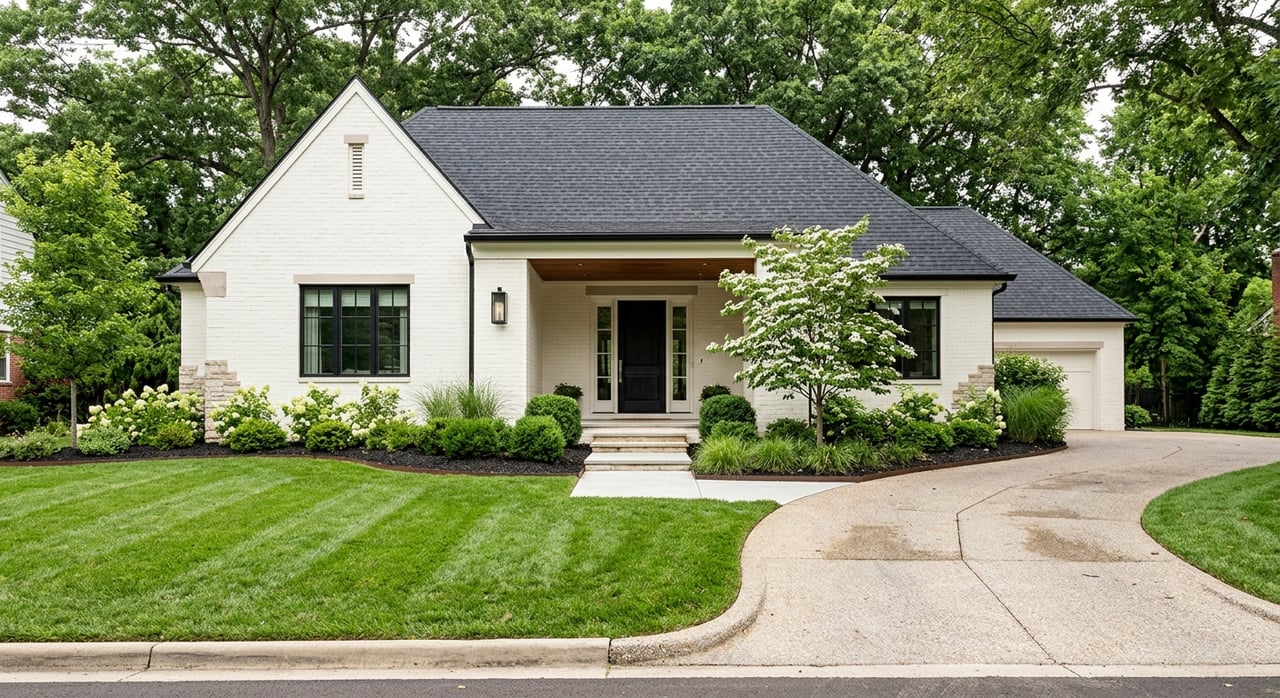
Hixson Or Chattanooga? How To Choose Your Next Neighborhood
May 28, 2026
May 28, 2026
Trying to decide between Hixson and Chattanooga can feel harder than it should. Both give you access to the same larger metro, but the day-to-day experience can be very different depending on where you land. If you want a clearer way to compare price, commute, convenience, and lifestyle, this guide will help you sort out what fits you best. Let’s dive in.
The biggest difference between Hixson and Chattanooga is not just the address. It is how your everyday life will feel once you move in.
Hixson functions more like Chattanooga’s northern commuter zone than the downtown riverfront core. City planning and transportation projects point to Hixson Pike as a major commuter corridor, which makes Hixson a practical choice if you expect to drive often and want easy access to retail nodes and major roads.
By contrast, Chattanooga’s central neighborhoods such as Downtown, North Chattanooga, Southside, and Northshore are shaped by the city’s form-based code. The city describes those areas as urban, mixed-use, walkable, and neighborhood-friendly, which creates a different pace and layout than Hixson’s corridor-based pattern.
If price matters, Hixson stands out right away. Current market data shows Hixson with a median listing price of $387,450, a median rent of $1,750, and $202 per square foot.
That compares favorably with several in-town Chattanooga areas. Downtown Chattanooga has a median listing price of $418,500 and a much higher $335 per square foot, while North Chattanooga sits at $550,000 and $319 per square foot.
Southside also trends above Hixson, with a median listing price of $524,500 and $321 per square foot. St. Elmo comes in at $492,000 and $281 per square foot, which still places it above Hixson on both price and cost per foot.
Northshore is not measured the same way in the available data, but its current home value index of $447,145 and low for-sale inventory still signal a tighter, more premium market than Hixson. If you are trying to stretch your budget further, Hixson gives you more breathing room in the current market.
A lower price does not automatically mean a better fit. The key is understanding what you are getting for that tradeoff.
In Hixson, the lower cost per square foot often aligns with a more suburban, corridor-driven setup. In Chattanooga’s urban core, buyers are often paying more per square foot for proximity to mixed-use districts, walkable streets, riverfront amenities, and a more car-light routine.
That means your decision should come down to value, not just sticker price. If you care most about maximizing space and keeping your entry point lower, Hixson may make more sense. If you are willing to pay more for location and urban convenience, central Chattanooga may be worth it.
The speed of the market can affect both your strategy and your expectations. Hixson currently has 144 homes for sale, a median of 33 days on market, and Realtor.com classifies it as a seller’s market with homes selling at about 98% of list price.
Downtown Chattanooga shows 133 homes for sale, a median of 60 days on market, and a buyer’s market designation, with homes selling at about 96% of list price. That suggests buyers may have a bit more room to negotiate there than in Hixson.
North Chattanooga is also a seller’s market, with 96 homes for sale and a median of 39 days on market. Southside leans more toward buyers, with 50 homes for sale and a median of 57 days on market.
If you want a neighborhood where well-priced homes may move faster, Hixson is worth watching closely. If you prefer a little more time to compare options, some in-town neighborhoods may offer a different pace.
Your route to work, errands, and weekend plans matters more than people expect. Hixson is strongly tied to driving corridors, especially Hixson Pike and nearby Highway 153.
The city’s current transportation work specifically frames Hixson Pike as a route built to serve daily commuters and nearby residents. That supports the idea that Hixson works well for people who expect to drive regularly and want practical access in and out of the area.
There is also fixed-route transit in Hixson. CARTA Route 16 Northgate serves places such as Northgate Mall, Hixson Pike, Riverview, Highland Plaza, Home Depot, Lowe’s, Stockdale’s, Coolidge Park, and Manufacturers Road, which helps connect errands and key destinations.
In central Chattanooga, transit options support a more urban routine. CARTA’s North Shore routes serve areas like North Market Street, Cherokee Boulevard, Frazier Avenue, and the Market Street Bridge, while downtown also connects with the city’s electric shuttle fleet and Bike Chattanooga stations along the Riverpark.
This is where the decision usually becomes clearer. Hixson and Chattanooga offer different kinds of convenience.
Hixson is especially strong if you want access to creek, lake, and park recreation. Greenway Farm in Hixson is a 180-acre park along North Chickamauga Creek with 6 miles of trails, 3 canoe access points, an off-leash dog park, and a reservable conference center.
Chester Frost Park adds another layer to Hixson’s outdoor appeal. Located on Chickamauga Lake, it offers camping, beach access, day-use space, a fishing pier, and waterfront yurts.
Central Chattanooga shines in a different way. The Tennessee Riverpark is a 13-mile paved urban greenway connecting downtown to Chickamauga Dam and Historic St. Elmo, and the city says its broader greenway system includes five miles of constructed riverwalk beginning downtown.
The city also maintains more than 80 neighborhood parks, greenspaces, athletic spaces, and more, including signature places like Coolidge Park and the Tennessee Riverpark. If your ideal weekend involves walking to riverfront spaces, local business districts, or mixed-use areas, the urban core may line up better with how you want to live.
Hixson could be the stronger fit if you want:
For many buyers, that combination makes Hixson the practical choice. It can offer a balance of affordability, useful retail access, and outdoor lifestyle benefits without paying urban-core pricing.
A central Chattanooga neighborhood may fit better if you want:
That does not make Chattanooga automatically better. It simply means you may be prioritizing a different kind of lifestyle than what Hixson is built to offer.
Before you choose between Hixson and Chattanooga, ask yourself:
Those questions usually reveal the right answer faster than scrolling listings alone. The best neighborhood is the one that supports the life you actually plan to live.
If you want the clearest short version, Hixson is often the better budget-and-outdoors play, while central Chattanooga is often the better urban-lifestyle and walkability play. That conclusion is supported by current pricing, zoning patterns, transit structure, and park access across the two areas.
The good news is that neither choice is one-size-fits-all. The right move depends on your budget, commute, and the kind of routine you want once the boxes are unpacked.
If you want help narrowing down the right fit based on your price range, lifestyle goals, and timeline, reach out to Dustin Mullins. You will get clear local guidance, fast answers, and a strategy built around how you want to move.
Stay up to date on the latest real estate trends.
I keep the process simple, strategic, and focused on results. You’ll get clear communication, fast responses, and a game plan built around your goals—whether you’re buying, selling, or investing in Chattanooga.
DUSTIN MULLINS
DOWNTOWN OFFICE 525 W Main St Chattanooga TN 37402