Living In Chattanooga: Downtown Versus North Shore
April 23, 2026
April 23, 2026
If you are trying to decide between Downtown Chattanooga and North Shore, you are really choosing between two different daily rhythms. Both areas put you close to the Tennessee River, restaurants, parks, and some of the city’s best-known attractions, but they do not feel the same once you picture your week there. This guide will help you compare lifestyle, walkability, housing, and day-to-day convenience so you can narrow down which side of the river fits you best. Let’s dive in.
Downtown Chattanooga is the city’s most urban environment. Areas like City Center, Riverfront, and Bluff View bring together offices, restaurants, attractions, hotels, and residential buildings in one compact area. According to River City Company’s City Center overview, this part of Chattanooga remains a major focus for revitalization and mixed-use growth.
If you want to be in the middle of the action, downtown usually checks that box. The Riverfront is especially active, with destinations like Ross’s Landing and the Tennessee Aquarium area serving as a hub for events, dining, and entertainment. Bluff View offers a quieter layer nearby, with scenic views, historic buildings, cafés, and art-focused spots, as described by Visit Chattanooga’s Bluff View guide.
North Shore, often called Northshore, sits just across the river and offers a different pace. The area stretches along Frazier Avenue, Cherokee Boulevard, and Manufacturer’s Road, where you will find a walkable mix of restaurants, shops, coffee spots, and access to major parks. River City Company’s Northshore page describes it as a district with a strong neighborhood feel and a business corridor built around daily convenience and local hangouts.
North Shore tends to feel more residential once you move beyond the main commercial streets. Local sources point to restored bungalow streets and older architectural character north of Frazier, which creates a quieter setting than the downtown core. The NorthShore Merchants Collective also highlights the area’s concentration of locally owned businesses, galleries, and coffeehouses.
If your ideal day includes walking to coffee, heading to work, meeting friends for dinner, and catching an event without moving your car much, downtown may be the better fit. City Center combines employers, nightlife, restaurants, and condo living in a way that supports a more urban routine. The Riverfront adds frequent activity and a steady flow of visitors, which many buyers see as a plus if they want energy and convenience close by.
Bluff View softens that experience a bit. You can still stay close to downtown amenities while enjoying a more scenic pocket with river views and a calmer atmosphere. That mix appeals to buyers who want central access without being in the busiest stretch all the time.
North Shore often appeals to buyers who want a walkable lifestyle without living in the center of the city’s event core. The area still offers easy access to dining and retail, but the day-to-day feel is more tied to parks, local businesses, and residential streets. In practical terms, that can mean a little more breathing room while still staying close to downtown Chattanooga.
This is one of the biggest reasons buyers compare the two areas so closely. North Shore gives you an active setting, but it often feels more like a neighborhood corridor than a business and tourism hub. If that balance matters to you, it is worth a serious look.
Downtown is widely considered the easiest part of Chattanooga to navigate on foot. River City Company’s getting around guide notes that most businesses, restaurants, attractions, and UTC are within about 15 minutes of just about anywhere downtown. For buyers who want to reduce drive time and keep everyday errands simple, that is a major advantage.
Transit is also strongest downtown. The same source notes that the free electric shuttle runs about every five minutes between the Chattanooga Choo Choo and the Tennessee Aquarium, which helps connect key downtown destinations.
North Shore is also easy to navigate, especially around Frazier Avenue and the park areas. Visit Chattanooga’s Northshore page notes that the area connects to downtown by four bridges and can be explored by walking, biking, or taking the free electric shuttle.
The temporary complication is the Walnut Street Bridge closure. According to the City of Chattanooga, the bridge closed on March 17, 2025 for an estimated 18-month renovation, with reopening expected in September 2026. Right now, cross-river trips depend more on the Veterans Bridge, the Market Street Bridge, and shuttle service than many buyers may expect.
If you want the broadest concentration of attractions and destination dining, downtown has the edge. The Riverfront includes well-known stops, paved walking routes, river views, and a calendar of outdoor activity that keeps the area lively. Visit Chattanooga’s Riverfront guide describes it as the epicenter of outdoor events in Chattanooga.
That matters if you enjoy being close to museums, waterfront attractions, major events, and a steady lineup of places to meet friends or host out-of-town guests. Downtown is built around that kind of convenience.
North Shore’s appeal is often less about large attractions and more about how the area fits into daily life. Dining and retail are neighborhood-scale and locally oriented, with businesses highlighted by the NorthShore Merchants Collective dining directory. If you like the idea of grabbing coffee, walking to a local restaurant, or spending time in a park without leaving your neighborhood, North Shore stands out.
The parks are a major part of that lifestyle. Coolidge Park offers a waterfront setting, carousel, and play fountain, while Renaissance Park adds trails and wetlands nearby. The Tennessee Riverwalk also connects both sides of this comparison, with access points at Ross’s Landing, Bluff View, Coolidge Park, and Renaissance Park.
If you are looking for condo or apartment-style living in a mixed-use setting, downtown is generally the stronger match. River City Company’s City Center materials specifically reference upscale condos, and future planning in the downtown core includes apartments above retail, condos, townhouses, and mixed-income housing. That points to a more vertical, urban housing pattern than what you usually see in North Shore.
For some buyers, that is exactly the goal. Less yard maintenance, more walkable convenience, and easy access to restaurants and events can make downtown feel like the right move.
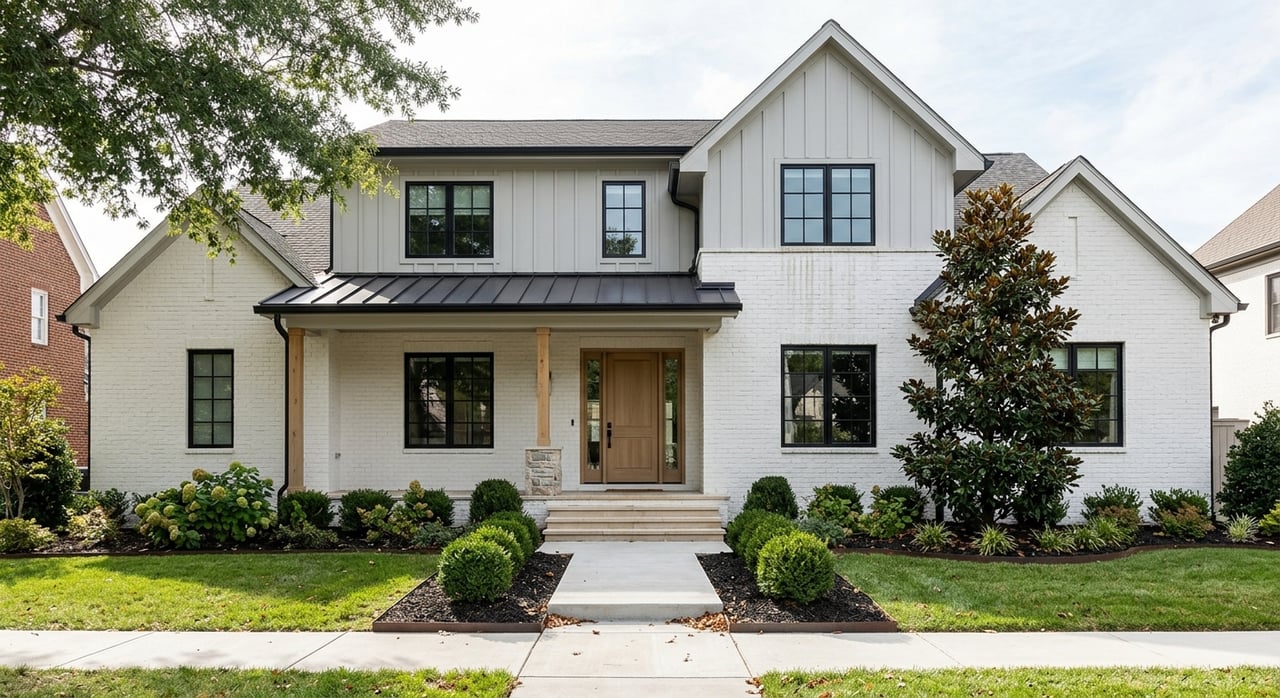
North Shore is often a better fit if you want more traditional home character. Official and neighborhood sources describe restored 1940s-style bungalows, century-old architecture, and a quieter residential feel beyond the main business corridor. That housing mix tends to attract buyers who want charm and a little more separation from the city center while still staying close to it.
If you are deciding between the two, this may be the clearest dividing line. Downtown typically supports a more urban housing experience, while North Shore more often offers detached-home appeal with convenient access to the city.
Here is a simple way to think through the choice.
When you tour these areas, try to compare them during normal daily hours, not just on a weekend outing. Downtown can feel very different during the workweek, and North Shore can feel very different once you move a few blocks off the main commercial streets. It also helps to test your actual routes, especially while the Walnut Street Bridge remains closed, so you understand how often you would rely on the other bridges or shuttle service.
The right choice usually comes down to how you want your day to feel. If you want fast access, energy, and a true downtown routine, the downtown core may make more sense. If you want walkability with a little more neighborhood character and greener space in the mix, North Shore may be the stronger fit.
If you are comparing Chattanooga neighborhoods and want clear, local guidance on where to focus your search, Dustin Mullins can help you narrow the options and move with a smart strategy.
Stay up to date on the latest real estate trends.
I keep the process simple, strategic, and focused on results. You’ll get clear communication, fast responses, and a game plan built around your goals—whether you’re buying, selling, or investing in Chattanooga.
DUSTIN MULLINS
DOWNTOWN OFFICE 525 W Main St Chattanooga TN 37402